
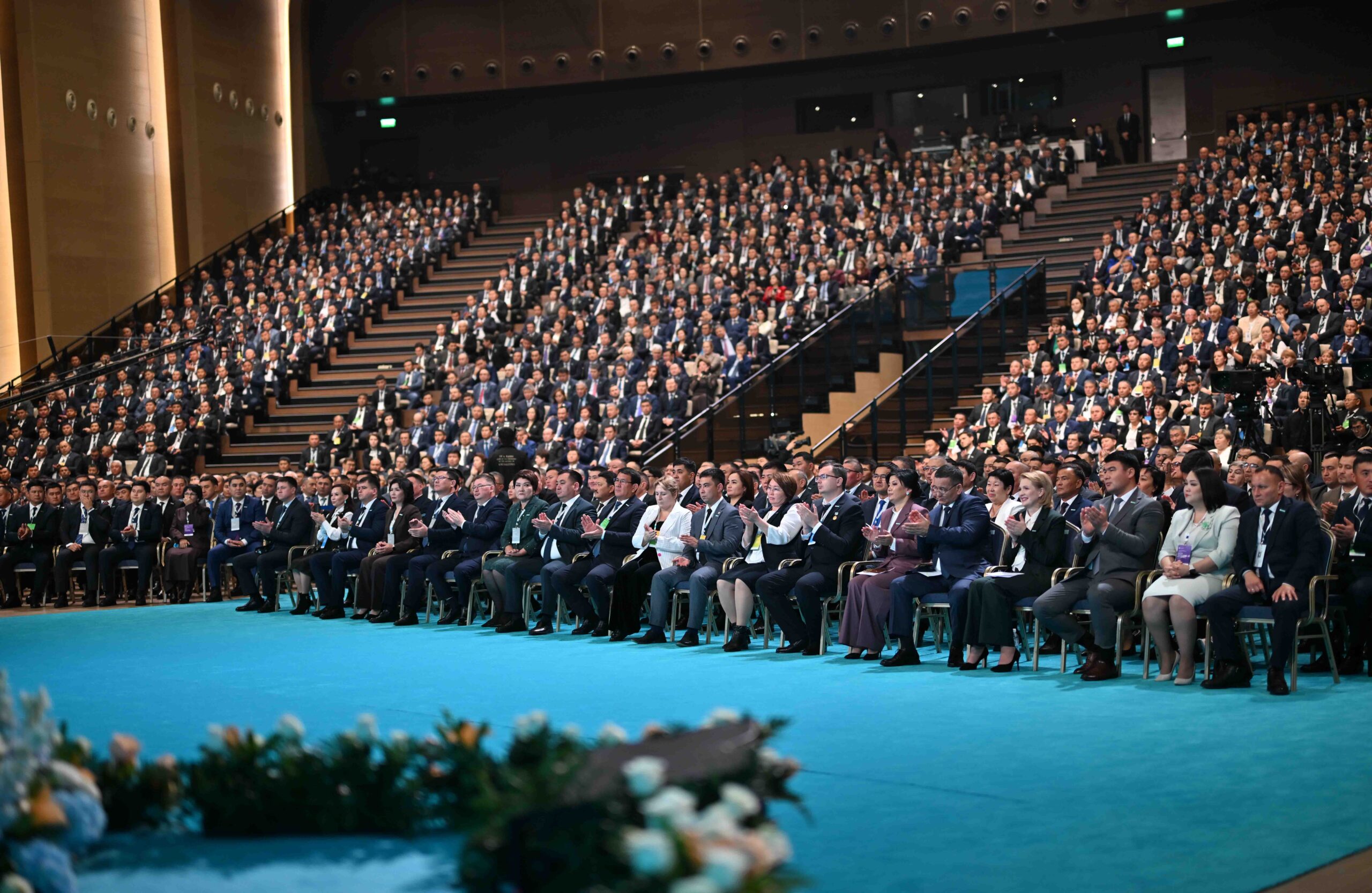
The President of Kazakhstan views the development of rural areas as a matter of strategic importance that goes beyond social policy. Rural communities play a key role in ensuring food security, social stability, and the country’s balanced territorial development.
In recent years, under the personal oversight of Kassym-Jomart Tokayev, hundreds of healthcare and education facilities have been built in rural areas, while access to digital infrastructure has been significantly expanded. State support for the agricultural sector has led to steady growth in gross agricultural output, which has exceeded 8 trillion tenge (16 billion US dollars).
Special attention is being paid to strengthening the economic self-sufficiency of rural districts, developing cooperation, and supporting entrepreneurship. The primary objective is to create sustainable jobs, reduce regional dependence on budget transfers, and improve the overall well-being of the population.
As a result, Kazakhstan’s rural policy has become an integral element of its long-term national development strategy. It was within this framework that the decision was made to introduce a system of direct elections for heads of rural administrations. Over the past five years, this reform has been implemented in a gradual and phased manner. As a result, more than 2,300 heads of rural administrations have gone through the electoral process, with only 30 percent coming from the civil service, while the remainder include representatives of political parties operating in the country as well as independent self-nominated candidates.
Kazakhstan has thus demonstrated to the international community a progressive approach to democratizing the executive branch and has empowered citizens to manage local affairs themselves.
January 7, 2026